
7 Signs Your Roof May Need Replacing Before San Diego’s Winter Rains
7 Signs Your Roof May Need Replacing Before San Diego’s Winter Rains

A cracked tile or a small ceiling stain can be easy to put off when the weather is dry. Once rain arrives, though, you may find yourself trying to schedule a roof inspection while dealing with a leak. Checking your roof before the next storm gives you time to understand the problem and decide whether a repair or replacement makes sense.
You can spot many of these warning signs from the ground or inside your home. Leave the roof climb to a professional, especially if you see a sagging area or suspect water damage.
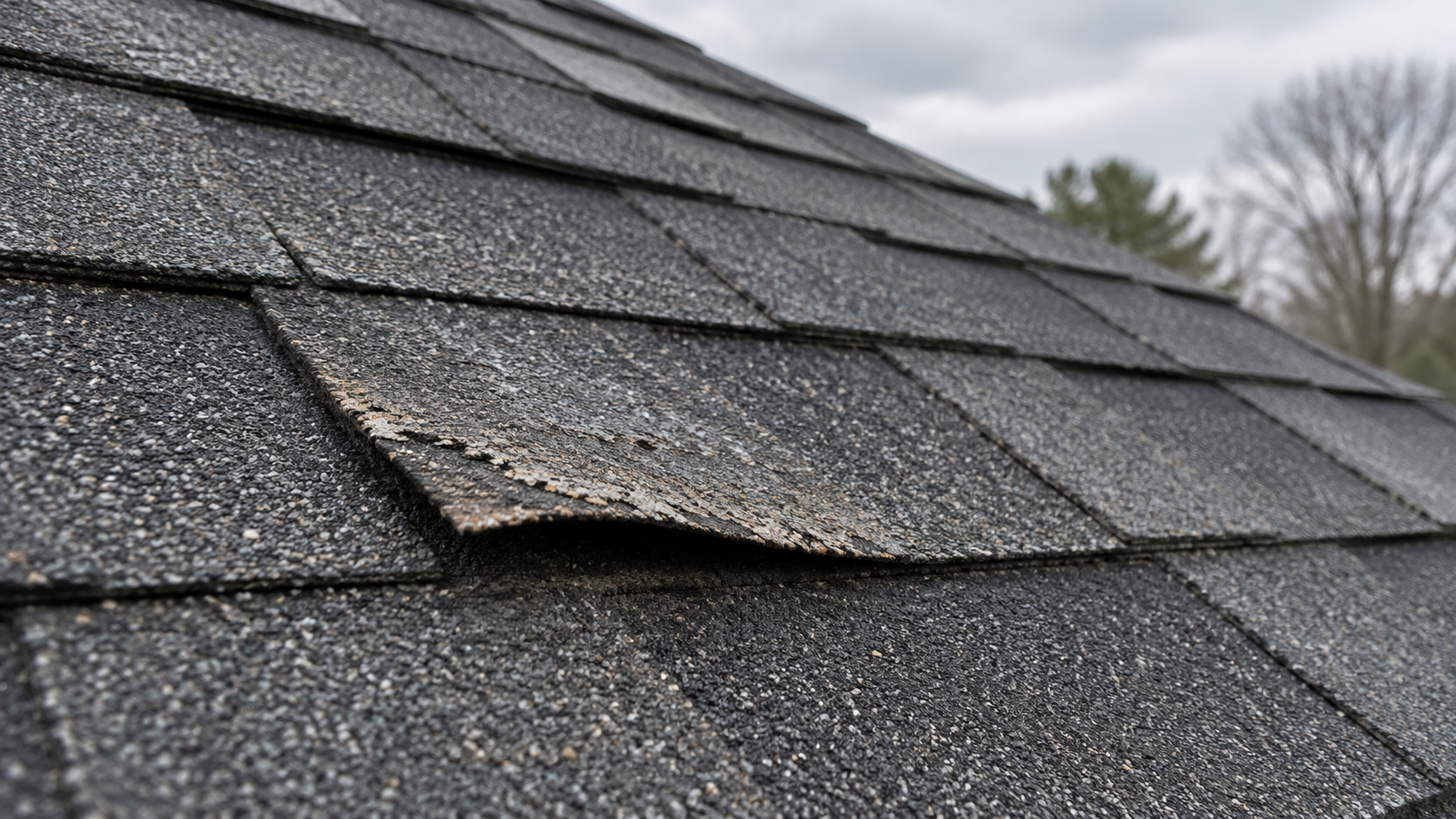
1. Shingles are curling, cracking, or missing in several areas
A few missing shingles after a windy day may be a straightforward repair. When shingles are curling, cracking, or lifting across several sections, the wear may be more widespread. Look at different sides of the house from the ground, since one section can show more wear than another.
If damaged shingles are scattered across the roof, ask a roofing contractor how much of the roof is affected and whether replacing individual shingles would address the problem.
2. Roof tiles are cracked, loose, or out of place
On a clay or concrete tile roof, look for broken corners, gaps in the rows, or tiles that have visibly slipped. A single broken tile can often be replaced. Multiple damaged tiles or recurring leaks warrant a closer look at the underlayment, the layer beneath the tiles that helps keep water out.
The tiles can look sound from the street even when the underlayment is deteriorating. Depending on their condition, some existing tiles may be reusable when the underlayment is replaced.
3. Ceiling stains appear or grow after rain
A yellow or brown stain on the ceiling, peeling paint near an exterior wall, or dampness around a skylight can be a clue that water is getting in. Take a photo of the stain and note whether it darkens or grows after rain. That timing can help a contractor track down the source.
Water can travel before it becomes visible indoors. A stain under one part of the roof could come from a nearby vent, skylight, or roof transition. Finding where the water enters helps determine whether a localized repair will solve the problem.
4. The same leak keeps coming back
If you’ve repaired a leak and water returns during the next storm, it’s worth finding out why before paying for another patch. The original entry point may have been missed, or nearby roofing materials may also be failing.
Tell the contractor where the leak appears, when it happens, and what previous repairs were made. A recurring leak in one area may still have a repairable cause. Leaks in several unrelated areas make a stronger case for evaluating the roof as a whole.
5. The roofline looks uneven or has a visible dip
Stand back far enough to see the ridge and the main roof sections. A new dip, a sagging ridge, or a section that looks uneven deserves prompt attention. The cause may involve the roof decking or supporting structure, so an inspection should address what’s underneath the roofing material as well as what’s visible from the street.
If you notice a sag, keep off the roof and have it evaluated promptly.
6. You’re finding more shingle granules than usual
Asphalt shingles have a protective layer of granules, and some shedding is normal. If you notice increasing amounts of gritty material at your downspout outlets, especially alongside visible bare patches on the roof, the shingles may be wearing down.
Granule loss across several sections is worth discussing during an inspection. Your contractor can consider it alongside other signs of wear, such as brittle shingles or cracking, when assessing the roof’s remaining service life.
7. An older roof is starting to need frequent repairs
If you’ve patched one leak, replaced a handful of shingles or tiles, and discovered another problem a few months later, take a look at the bigger picture. Find the installation date if you can, gather recent repair invoices, and note whether the problems are concentrated in one area or spread across the roof.
When multiple sections of an older roof need work, ask for both a repair and a replacement estimate. Compare what each option covers, which problems it addresses, and how much usable life the contractor expects the remaining roof to have.

Should you repair or replace your roof before winter?
Start with the extent of the damage. A single damaged tile, a small section of missing shingles, or a leak traced to flashing around a vent may be repairable when the surrounding roof is in good condition. Widespread deterioration, leaks in multiple areas, or damage beneath the roofing material can make replacement the better long-term choice.
If water is entering your home now, contact GBC Remodeling for emergency roof repair in San Diego. If you’re seeing signs of wear and want to plan ahead, our San Diego roofing team can assess your roof and explain your repair and replacement options.