
How to Prepare for Rainy Season in San Diego and What to Do If Your Roof Starts Leaking
How to Prepare for Rainy Season in San Diego and What to Do If Your Roof Starts Leaking

Rainy season in San Diego may be short, but when storms hit, they can expose hidden roofing issues fast. Even a small leak can quickly turn into water damage, mold, and costly repairs if it is not handled right away.
If you are a homeowner, being proactive before the rain arrives and knowing what to do if your roof starts leaking can save you thousands. Here is your complete guide from GBC Remodeling, San Diego’s trusted roofing and exterior specialists.
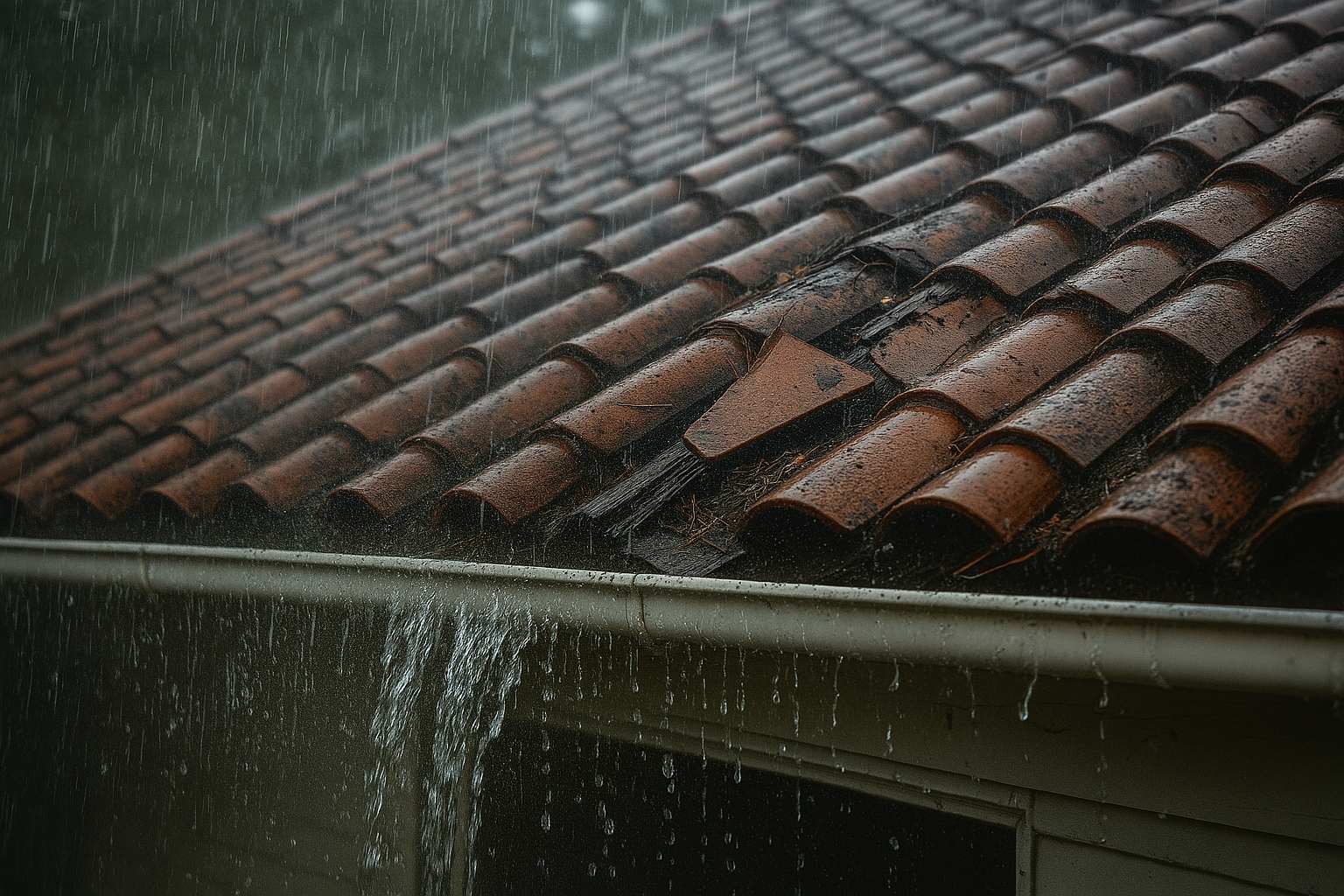
Why Roof Leaks Are Common in San Diego
Many San Diego homes have roofs that are 15 to 30 years old. Over time, constant sun exposure, coastal moisture, wind, and temperature changes weaken roofing materials. When rain finally arrives, small cracks and worn areas become active leaks.
Common causes of a leaky roof in San Diego include:
-
Cracked or missing shingles or tiles
-
Worn-out underlayment
-
Damaged flashing around chimneys and vents
-
Clogged gutters backing up water
-
Flat roof pooling
-
Old or deteriorated roof coatings
If your roof has not been inspected in the last year, rainy season is the worst time to find out you have a problem.
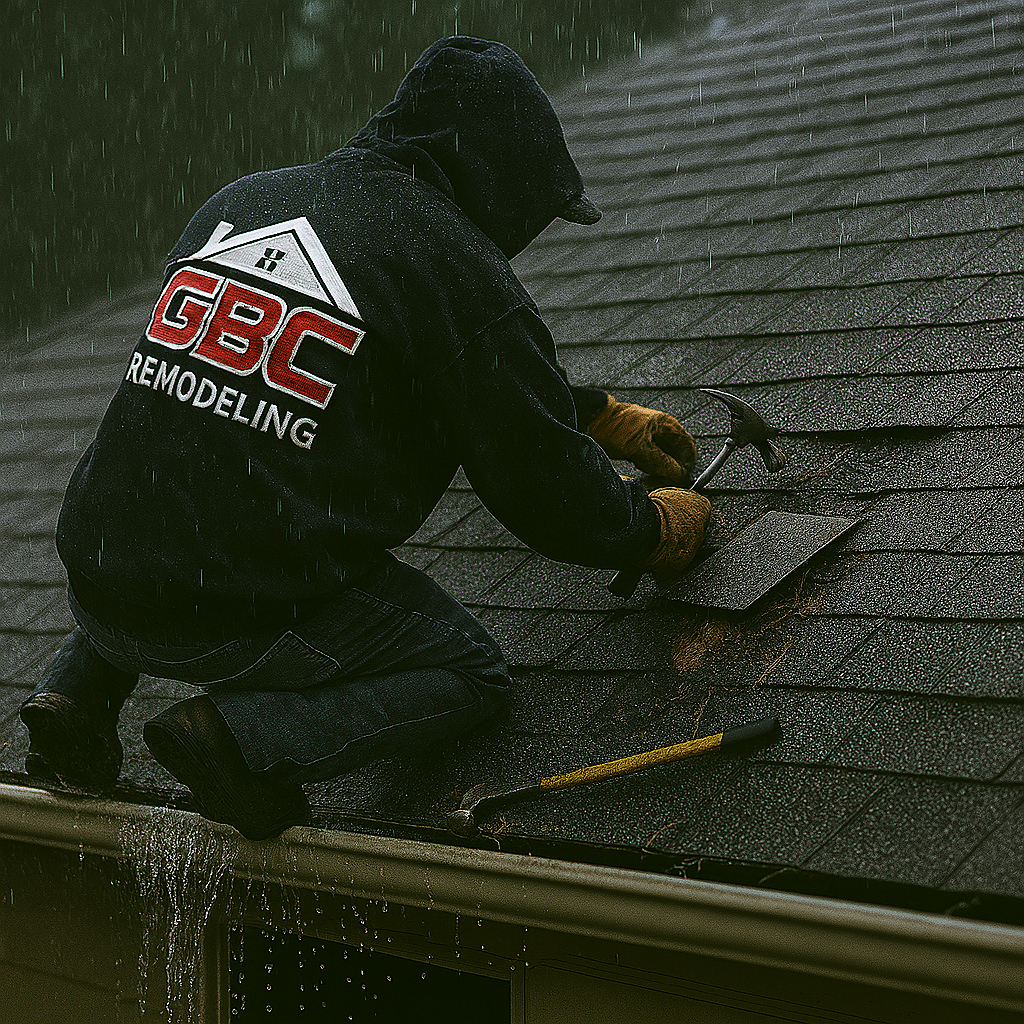
2. Keep Décor Off the Roof
Your roof isn’t the best place for tombstones, inflatables, or even fake spiderwebs. Heavy items can damage shingles, while lightweight ones can blow away and clog your gutters.
Try this instead:
- Use your lawn, porch, or driveway for larger decorations.
- Hang spooky figures from trees or porch railings.
- Project ghosts and animations onto your garage door or front wall for a cool effect no contact with your roof needed.

How to Prepare Your Roof for Rainy Season
1. Schedule a Professional Roof Inspection
A professional inspection can catch small issues before they become major leaks. GBC Remodeling checks for:
- Loose or broken tiles
- Cracked shingles
- Soft spots
- Failing sealant
- Flashing damage
- Signs of water intrusion
Early detection means lower repair costs.
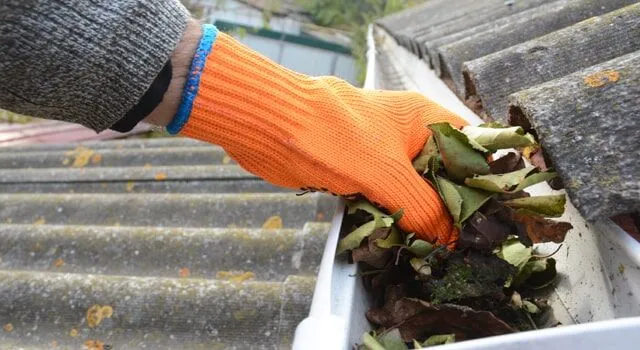
Clean Your Gutters and Downspouts
Clogged gutters cause water to back up under your roofline and soak into fascia boards and attic spaces. Make sure:
- Gutters are free of leaves and debris
- Downspouts are flowing properly
- Water drains away from your foundation
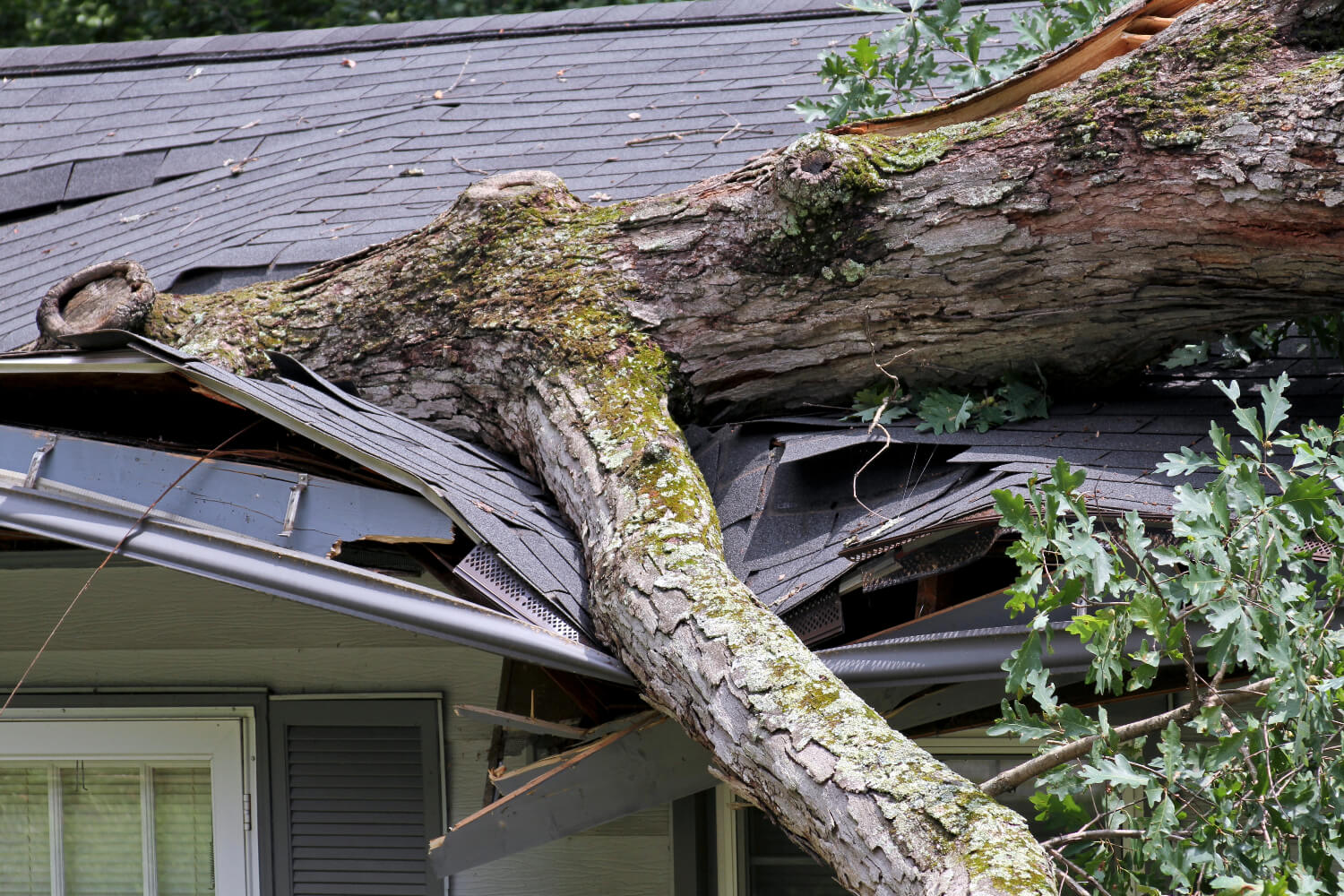
Trim Overhanging Trees
Branches scraping your roof can damage shingles and allow water to penetrate. During storms, falling branches can cause instant roof damage.
Check Attic Ventilation
Poor ventilation traps moisture inside your attic, increasing the risk of mold and wood rot during rainy months.
What To Do If Your Roof Starts Leaking
If you notice water stains, dripping, or bubbling paint — act fast.
Step 1: Contain the Water
- Place buckets or towels under the leak
- Move furniture and electronics out of the area
- If possible, poke a small hole in bulging drywall to drain trapped water safely
Step 2: Minimize Interior Damage
- Dry the area with fans or towels
- Take photos for insurance documentation
- Turn off electricity near the leak if water is close to outlets
Step 3: Call a Professional Roofing Contractor Immediately
Temporary patches won’t solve the problem. You need a licensed roofing expert to locate the source and repair it properly.